Saving Fuel: How to Make Your Vehicle More Efficient
In today’s context, with continuously rising fuel costs, saving on fuel has become more critical for vehicle owners, especially for those who use their vehicle daily. Fuel efficiency can make a significant difference financially.
Here are some valuable tips to help you travel farther on less fuel with your vehicle:
Control Your Speed
Higher speeds increase fuel consumption. Keeping your speed at reasonable levels will help you save fuel. Studies indicate that adhering to speed limits of 50-60 km/h, especially in urban areas, is ideal for fuel savings.
Use Quality Fuel
Quality fuels ensure your engine operates more efficiently and prevent the buildup of deposits over time. This not only reduces fuel consumption in the long term but also extends the life of your vehicle.
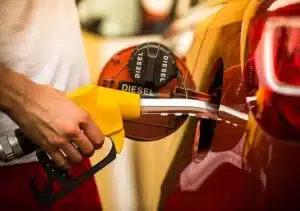
Securely Close the Fuel Cap
A loosely closed fuel cap can lead to fuel evaporation. This is not only bad for the environment but also increases your fuel consumption.
Air Conditioning Use
Using the air conditioner increases fuel consumption. However, traveling without air conditioning in hot weather is not comfortable for the driver and passengers. Try to use the air conditioner only when necessary and at low settings.
Keep Windows Closed
Open vehicle windows increase air resistance, which in turn raises fuel consumption. Keeping windows closed, especially at high speeds, is beneficial for aerodynamics.
Avoid Sudden Braking and Acceleration
Sudden braking and acceleration increase fuel consumption. Try to anticipate the road and traffic flow to make smooth transitions.
Periodic Maintenance
Regular checks and replacements of critical components like motor oil and air filters ensure the engine runs more efficiently, translating to fuel savings.
Reduce Vehicle Weight
Unnecessary weight causes your vehicle to expend more energy. Removing unused items from the vehicle reduces weight and saves fuel.
Check Tire Pressures
Tires without adequate air pressure lead to increased fuel consumption. Regularly check and maintain tire pressures at optimal levels.
Do Not Coast in Neutral Downhill
Coasting in neutral downhill might seem like a fuel-saving measure, but using engine braking in modern vehicles is both safer and more economical.
By implementing these tips, achieving fuel savings is possible. However, the most important aspects are safe driving practices and proper vehicle maintenance. This not only protects your wallet but also extends the lifespan of your vehicle.