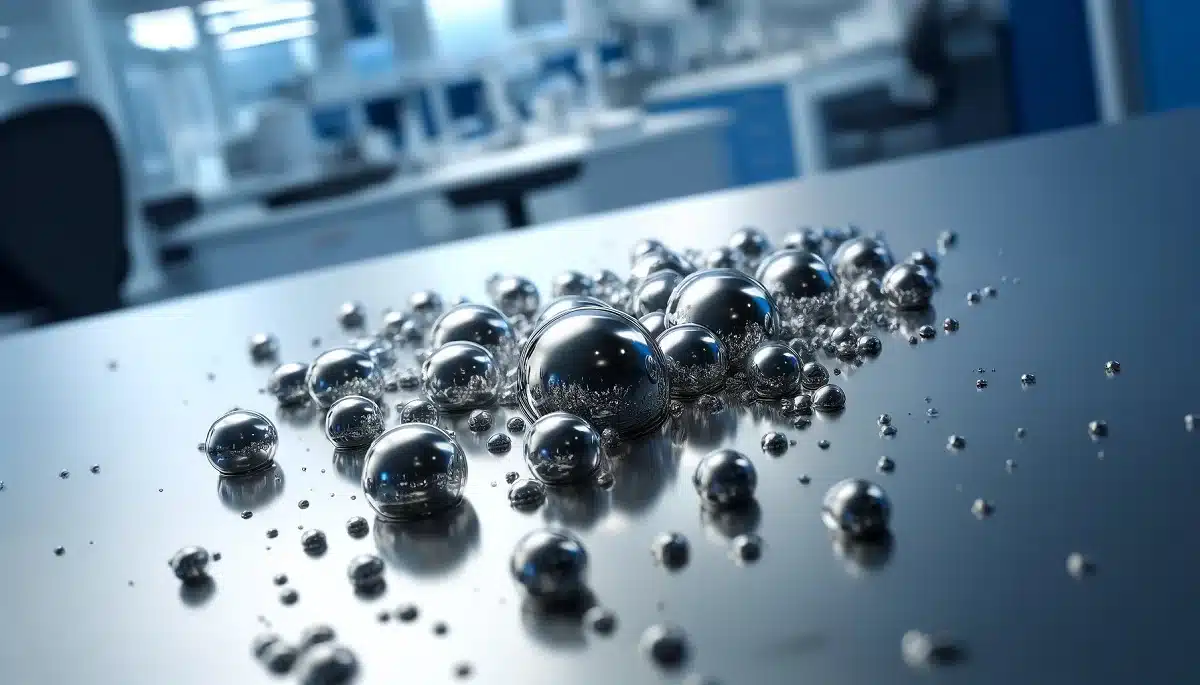
Mercury is a naturally occurring element found in liquid metal form. It has a shiny, silvery appearance and is one of the only metals that remains liquid at room temperature. This unique characteristic has made it valuable in many different fields throughout history. It has been used in the manufacture of thermometers, barometers, and many other scientific instruments, but its use has been greatly reduced today due to its negative effects on health and the environment.

Properties and General Information of Mercury
Mercury, with the chemical symbol Hg and atomic number 80, is one of the rare metals that is liquid at room temperature. This liquid metal is characterized by its shiny, silvery appearance and high density. Due to its high density, even a small amount of mercury is quite heavy. Mercury is highly effective in electrical conduction and is also used in the production of alloys and various chemical compounds.
History and Uses of Mercury
Mercury has been known since ancient times and has been used in many different applications throughout history. It has been used in measuring instruments such as thermometers, barometers, and sphygmomanometers; in dentistry as an amalgam filling material; and also in fluorescent lamps and advertising signs. However, due to the adverse effects of mercury on human health and the environment, these uses have decreased over time or have been replaced with alternative materials. Particularly, the toxic effects of mercury vapor have been a significant factor in restricting the use of this element.
Occurrence of Mercury in Nature
Natural Sources of Mercury
Mercury occurs naturally in the earth’s crust, but is mostly found in minerals, especially in the form of the mineral cinnabar. Cinnabar mainly contains mercury sulfide (HgS), and the presence of this mineral in red-colored soils and rocks indicates the presence of mercury. During mining processes, cinnabar ore is heated at high temperatures to produce mercury vapor, and then this vapor is cooled to produce liquid mercury.

Geographic Distribution of Mercury Deposits
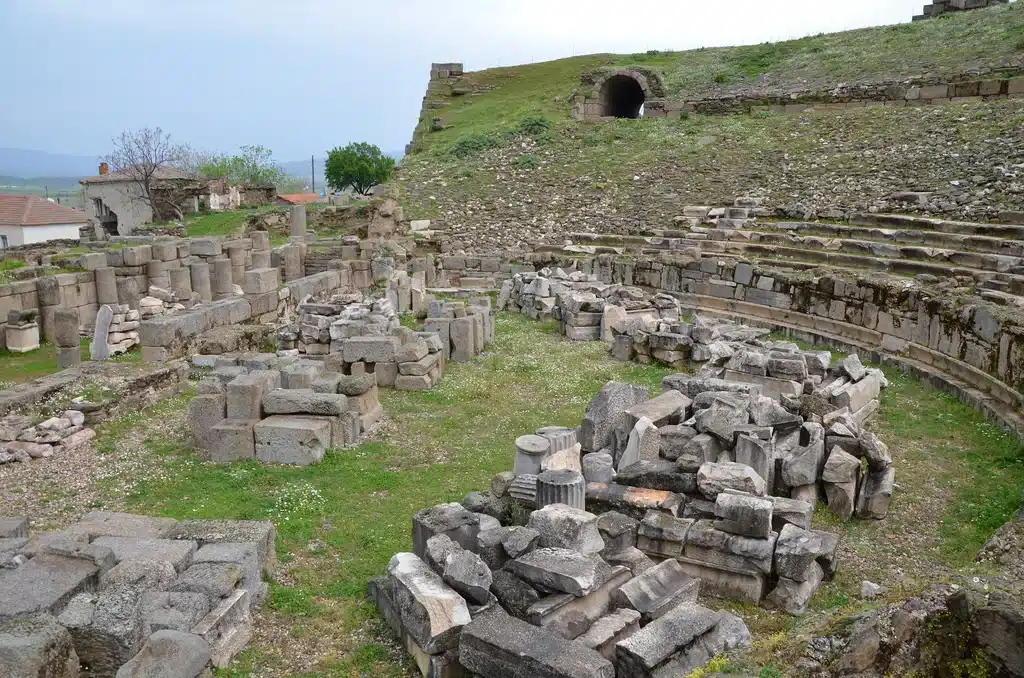
Mercury deposits can be found in many different regions around the world. The largest mercury reserves are generally concentrated in areas where volcanic activity is intense. Historically, Spain’s Almadén mine is known as one of the largest sources of mercury worldwide. Additionally, China, Russia and California are among the important mercury producers. These regions provide a large portion of the world’s mercury supply and are notable for the ecological and economic impacts of mercury mining.
How and Where is Mercury Mined?
Mercury is obtained from the mercury sulphide mineral, especially known as cinnabar. This process is accomplished using both open-pit and underground mining methods, with different techniques coming into play depending on the sources of mercury.
Mercury Mining Methods
Mercury mining is generally done by two main methods: open pit and underground mining. Both methods present certain environmental and operational challenges.
Open Pit Mining
Open pit mining is a method used to gain access to surface mineral deposits. In this method, mineral deposits are reached by digging a large area. The mercury-containing cinnabar mineral is usually extracted by this method because the mineral can be found closer to the surface. Open pit mining involves significant physical intervention in the environment as it requires moving large amounts of soil.
Underground Mining
Underground mining is used to extract mineral deposits located deep below the surface. This method is especially preferred in deeper and harder-to-reach areas of mercury deposits. Miners access mineral deposits by digging underground tunnels and extract ore containing mercury. Although underground mining provides less environmental visibility, it carries risks of its own, such as the risk of mine collapse.

Environmental Impacts of Mercury Mining
Mercury mining can have serious impacts on the environment. These impacts include air and water pollution, habitat destruction and negative impacts on biodiversity. The release of mercury vapor into the atmosphere is one of the most dangerous aspects of mercury mining because this vapor can pass into living things through breathing and cause serious health problems. Additionally, chemicals used during mining operations can pollute local water resources and lead to the degradation of ecosystems.
Purification and Purification of Mercury
Raw mercury obtained after mercury mining goes through various processing and purification processes before it is made suitable for use. These processes are usually carried out by distillation or sublimation methods. Mercury is evaporated at high temperatures and then condensed by cooling. This process allows mercury to be obtained in a purer form.
Preparation of Mercury for Commercial Use
The purified mercury is then prepared for various industrial and commercial applications. Mercury is an important component used especially in electrical equipment, lighting and medical devices. However, due to the potential health and environmental harms of mercury use, these uses are increasingly regulated. Therefore, it is of great importance to comply with the necessary safety precautions and environmental protection standards regarding the use of mercury.
Uses and Safety of Mercury
Mercury is used in many industrial areas due to its versatile properties, but its use carries serious health and environmental risks. In this section, important information about the uses of mercury and the safety of these uses will be presented.
Industrial Uses and Its Place in Daily Life
Mercury has been used in many different industries, especially in the past. Its most well-known uses include thermometers, barometers, and other measuring instruments. Mercury has also been used in electrical switches, fluorescent lamps, and some types of batteries. In dentistry, materials containing mercury are also used for amalgam fillings. However, due to the toxic effects of mercury, such uses are gradually decreasing today, and regulations limiting the use of mercury have been introduced in many countries.
Effects of Mercury on Health and the Environment
The effects of mercury on human health are extremely harmful. Inhaled mercury vapor can damage the nervous system, cause cognitive dysfunction and other serious health problems. Additionally, when mercury enters waterways, it is absorbed by fish and other aquatic life and accumulates throughout the food chain, posing a serious threat to all living things, including humans. Mercury is also harmful to natural ecosystems; It threatens biodiversity by causing pollution of water resources and soil.
Conclusion and Recommendations
The Future of Mercury Mining
The future of mercury mining and use is closely linked to sustainability and environmental protection efforts. Many countries aim to gradually reduce and eventually stop the use of mercury. This is critical to both protecting human health and reducing damage to the environment. The mercury mining industry will also have to adapt to these changes and will probably have to turn to alternative mining activities.
Sustainable Mining and Environmental Protection Measures
Sustainability and environmental protection measures that can be taken during mercury mining and processing are vital for the future of this sector. These measures include more effective waste management systems, the development of technologies to reduce mercury emissions, and methods to minimize the environmental impacts of mining waste. Additionally, recycling and safe disposal of mercury-containing products is one of the primary ways to reduce mercury pollution.