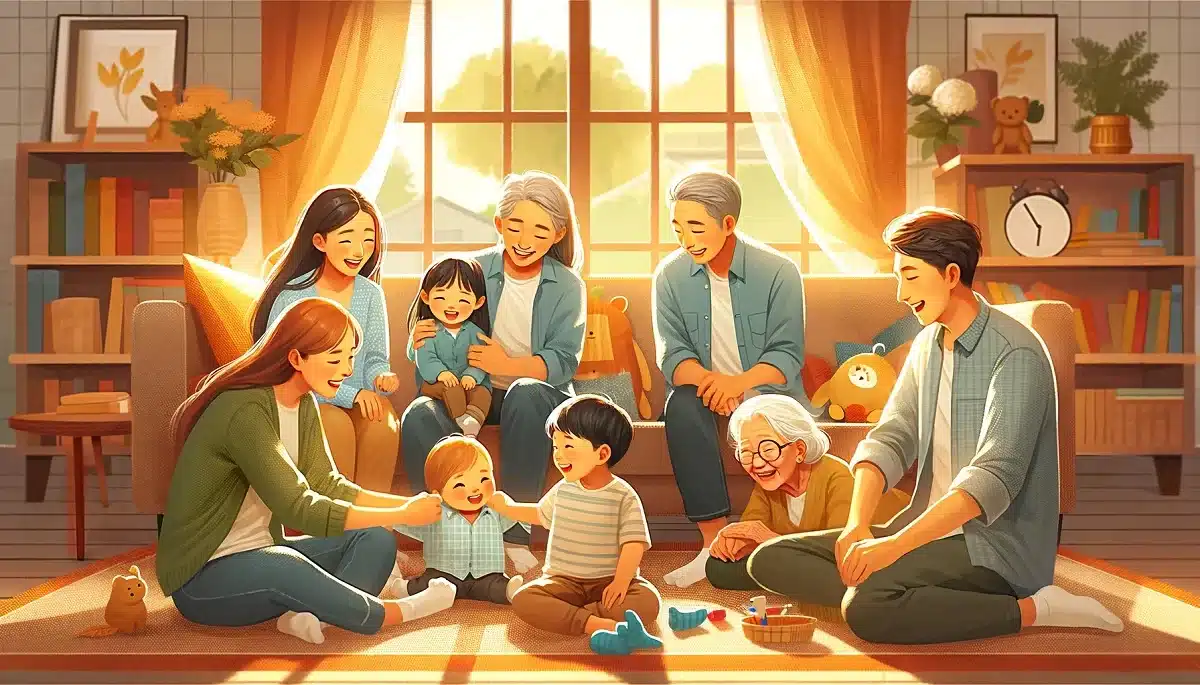
Family is the most basic social unit in which individuals come together directly or indirectly through blood ties, marriage or adoption, often living under the same roof and bound by bonds of mutual love, support and responsibility.
Family is the cornerstone of the social structure and plays a critical role in the physical, emotional and social development of individuals. The importance of the family stems from the fact that it provides individuals with a sense of identity and belonging, transmits basic values, cultural heritage and norms, and provides economic, psychological and social support. Therefore, healthy and strong family structures increase the overall well-being and stability of individuals and therefore society.
What is Family?
Definition of Family
General Definition of the Concept of Family
Family , as the most basic social institution, is defined as a group of individuals connected to each other, usually by blood, marriage, or adoption. Family is the first social environment in which individuals live from birth and where their basic needs are met.
Sociological Meaning of Family
The sociological meaning of the family is important as an institution in which individuals develop their social roles and identities, learn social norms and become a part of society. From the perspective of sociology, family is a micro-level reflection of society and plays a critical role in maintaining social order.

The Importance of Family for Society
Contributions of the Family to Social Structure
Transfer of Social Norms and Values
The transmission of social norms and values occurs through the family. Family is the primary social institution through which cultural heritage, traditions and moral values are transmitted to new generations. This process enables individuals to develop behaviors that comply with society’s expectations.
Economic Support and Resource Sharing
Economic support and resource sharing is an important function within the family. Family members support each other by sharing financial resources and income. This plays a critical role, especially in matters such as raising children and caring for elderly individuals.
Social Functions of the Family
Socialization and Education
Socialization and education are processes that begin in the family and enable individuals to become a part of society. The family helps children prepare for educational life by teaching them language, rules of behavior and basic knowledge and skills.
Psychological Support and Belonging
Psychological support and belonging are the emotional security and sense of commitment that the family provides to its members. Family members provide moral support to each other, providing solidarity in difficult times and helping individuals maintain their emotional health.
The Effect of Family on Social Solidarity
The effect of the family on social solidarity is an important factor that strengthens individuals’ ties with society and ensures social unity. By establishing social networks and participating in social events, families develop the spirit of solidarity and cooperation within society.
Characteristics of the Family
Family Relationships and Dynamics
Roles and Responsibilities within the Family
Family roles and responsibilities refer to the sharing of certain tasks and roles among family members. Each family member assumes different responsibilities depending on their age, gender and status. For example, parents often take care of children’s care and education, while children may help with household chores. These roles ensure order and functioning within the family.
Communication and Interaction in the Family
Communication and interaction in the family determine the quality of the relationships of family members with each other. Effective communication is critical in solving family problems and establishing strong bonds. Open, honest and respectful communication increases understanding and empathy between family members, thus making interactions within the family healthier.
Structural Features of the Family
Nuclear Family and Extended Family
Nuclear family and extended family refer to structural types of family. The nuclear family consists of mother, father and children and is the most common family structure in modern societies. Extended family includes more family members, such as grandparents, uncles, and aunts, and is generally seen in traditional societies. These structures affect the relationships and life dynamics of family members with each other.
Hierarchy and Authority in the Family
Hierarchy and authority in the family refer to the distribution of power and control within the family. Generally, parents, especially the father, are considered the highest authority in traditional family structures. However, in modern families, this hierarchy may be more egalitarian. Authority and hierarchy have a significant impact on discipline, decision-making processes and overall functioning within the family.
Family Types
Nuclear family
Definition and Characteristics of Nuclear Family
The nuclear family is the basic family unit consisting of mother, father and children. It is known as the most common family structure in modern societies. The nuclear family generally consists of a smaller number of members, which allows individuals to establish closer and more intense relationships with each other.
Advantages and Disadvantages of Nuclear Family
The advantages of the nuclear family include independence, privacy, and strong bonds among family members. The disadvantages are that support systems are limited and family conflicts may be more intense. Additionally, fewer resources may be available to cope with economic difficulties than extended families.

Extended family
Definition and Characteristics of Extended Family
Extended family consists of mother, father, children, grandparents and other relatives. This family structure, which is more common in traditional societies, gathers multiple generations under the same roof and offers a wide support network.
Advantages and Disadvantages of Extended Family
The advantages of the extended family include a wide support network, economic solidarity and assistance with child care. The disadvantages are reduced privacy, intergenerational conflicts, and difficulties in decision-making processes.
Single Parent Family
Definition and Characteristics of Single Parent Family
A single-parent family is a family structure in which one parent (mother or father) lives with the children. This type of family may be formed due to divorce, death or the absence of one of the parents, in which case the parent assumes all responsibilities.
Challenges Facing Single-Parent Families
Challenges faced by single-parent families include economic difficulties, lack of social support, and increased parental burden. Additionally, there may be difficulties in meeting children’s psychological and emotional needs.
Families with and without children
Characteristics and Dynamics of Families with Children
Families with children are family structures where parents live with their children. This type of family focuses on issues such as education, development and care of children. Their dynamics are shaped by the age, number and needs of children, and the roles and responsibilities of parents contribute to children’s development.
The Social Role of Childless Families
Childless families consist of couples who do not have children. These families can often focus on career, personal development, and other individual goals. The social role is evaluated as couples who do not have the obligation to raise children and can make different social and economic contributions to society.
Adoptive Families
The Effect of Adoption on Family Structure
The effect of adoption on the family structure is that the bonds between family members are not biological, but based on love and loyalty. Adoption can expand the structure of the family and add new dynamism to the family.
Relationships in Adoptive Families
Relationships in adoptive families are built on trust, love and acceptance. Regardless of their biological origin, it is important for adopted children to feel safe within the family and develop a sense of belonging. Parents may seek additional support and guidance to deal with the special challenges of adoption.
Contributions of the Family to Social Development
Transfer of Education and Cultural Heritage
Family’s Contribution to Education
The family’s contribution to education includes support that begins with children’s pre-school education and continues throughout their educational life. Families increase their children’s academic success by teaching them to read and write, helping them with their homework, and actively participating in the educational process. These contributions raise the education level of individuals and provide better educated individuals to society.
Transfer of Cultural Values from Generation to Generation
The transmission of cultural values from generation to generation means that families ensure the cultural continuity of the society by teaching their children about their cultural heritage, traditions and values. Families contribute to the preservation and development of the cultural identity of the society by transmitting cultural elements such as language, customs, rituals and social norms to their children.
Economic Contributions of the Family
The Impact of Family Economy on Society
The impact of family economy on society is the contributions families make to the economic structure of society through their economic activities and expenditures. Families support economic growth with their consumption habits, savings and investments. In addition, economic resources produced and shared within the family increase the financial well-being of individuals and contribute to social economic balance.
Family Businesses and Entrepreneurship
Family businesses and entrepreneurship are businesses established and managed by family members working together. Family businesses provide employment to local economies and contribute to economic growth through innovative entrepreneurial activities. Solidarity and trust within the family are important factors that increase the success of such businesses.
Contributions of the Family to Health and Wellbeing
Physical and Mental Health Supports
Physical and mental health supports include the health services and emotional supports that families provide to their members. Families care for sick individuals, encourage healthy living habits, and provide moral support during stressful situations. These supports increase the overall health and well-being of family members.
Family Support Systems
Family support systems are structured help networks that families develop to provide the help and resources they need. These systems may include social services, psychological counseling, and financial aid. By supporting each other in times of crisis, families strengthen social solidarity and enable individuals to get through difficult times more easily.