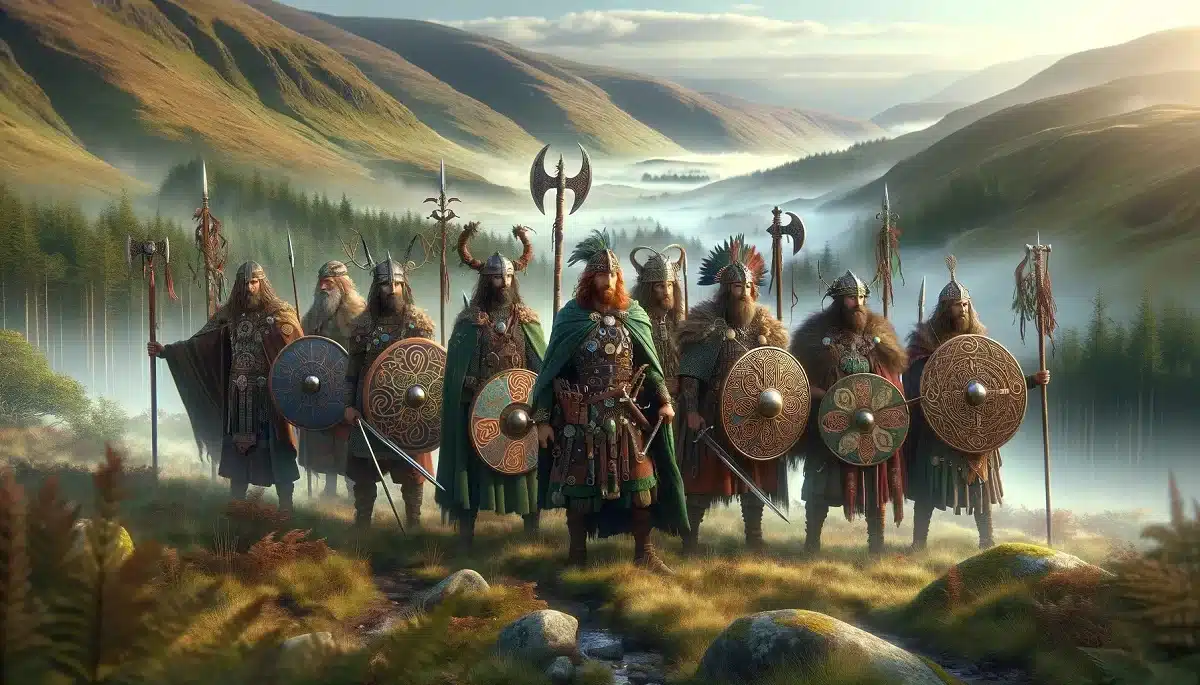
Germans: The Roots of Europe
The Germans or Germanic peoples were an ancient group of people who lived in Northern Europe during the 1st millennium BC and spread across various regions of Europe over time. The Germanic tribes, with their languages and cultures, laid the foundations of modern Europe, being the ancestors of today’s Germans, English, Scandinavians, and many other European peoples. Here is a detailed examination of the history and characteristics of the Germanic peoples:
Origins and Regions Inhabited
Origin and Initial Settlement: The Germanic peoples were of Proto-Indo-European descent and initially lived around the Jutland Peninsula and nearby areas in Northern Europe during the 2nd millennium BC.
Expansion: Over time, Germanic tribes spread across broader areas of Europe, particularly expanding towards the borders of the Roman Empire. This expansion involved various interactions and conflicts with Rome.
Historical Periods and Interactions
Relations with the Roman Empire: From the 1st century AD, Germanic tribes established various relationships with the Roman Empire, engaging in trade and, at times, warfare. Germanic tribes on Rome’s frontiers were influenced by Roman culture.
Migration Period: The Migration Period, between the 4th and 6th centuries AD, saw the widespread dispersal of Germanic tribes across Europe. They contributed to the fall of the Western Roman Empire and shaped the political map of Medieval Europe.
Society Structure and Culture
Society and Social Structure: Germanic societies were organized into independent tribes composed of clans and kin-groups. The warrior culture was significant, with leaders and nobles playing prominent roles within the society.
Religion and Mythology: The Germanic peoples practiced polytheism and developed a rich mythology based on natural phenomena, cosmic order, and heroic tales. These mythological beliefs are also evident in later recorded Norse and Anglo-Saxon mythologies.
Language and Literature: The Germanic tribes spoke languages belonging to the Indo-European language family, which formed the basis for modern Germanic languages. Their texts, inscribed using the runic alphabet, provide valuable insights into Germanic culture and beliefs.
Legacy and Impact
Influence on Modern Europe: The emergence and spread of Germanic tribes profoundly influenced the ethnic, cultural, and linguistic structure of modern Europe. Germans, English, Scandinavians, and other Germanic people are the modern representatives of these ancient tribes.
Historical and Cultural Legacy: The Germanic peoples laid the foundations for political and cultural aspects of Medieval Europe, contributing to legal systems, art, literature, and language development.
The Germanic peoples play a central role in understanding European history and culture, lying at the origins of the nations and cultures that have evolved in Europe over time. This historical and cultural legacy is indispensable for comprehending contemporary Europe.
The Germanic Peoples: Ancestors of Various Nations
The Germanic peoples historically spread across various regions of Europe and are considered the ancestors of many modern European nations. Here is a look at some notable nations descended from the Germanic tribes:
- Germans: The Germans are one of the largest ethnic groups with Germanic origins and directly descend from various Germanic tribes. The ethnic and cultural makeup of modern Germany has its roots in these Germanic origins.
- English: England was invaded in the 5th and 6th centuries by the Anglo-Saxons (including the Angles, Saxons, and Jutes), who are among the Germanic tribes considered ancestors of the modern English.
- Scandinavians: The Scandinavians (Danes, Norwegians, and Swedes) originate from the Germanic populations that inhabited the Scandinavian peninsula, known through their history extending to the Viking Age.
- Dutch: The Dutch people, particularly the Frisians and Saxons, are descended from Germanic tribes and constitute the ethnic fabric of the Netherlands.
- Flemish: The Flemish people, residing in the Flanders region of Belgium, speak a Germanic language and are considered to have Germanic ethnic roots.
- Swiss: The Swiss from German-speaking regions of Switzerland are also considered to have Germanic ancestry.
- Scots: Some groups in Scotland have Germanic influences, particularly due to invasions and settlements by the Anglo-Saxons.
- German Americans and Australians: German immigrants in the United States and Australia, and their descendants, are also of Germanic origin.
These nations have carried forward the languages, cultures, and certain traditions of the Germanic tribes, impacting their modern linguistic, legal, artistic, and social structures. This widespread dispersion of Germanic peoples led to the formation of diverse cultural and ethnic identities across a broad geographical area.